
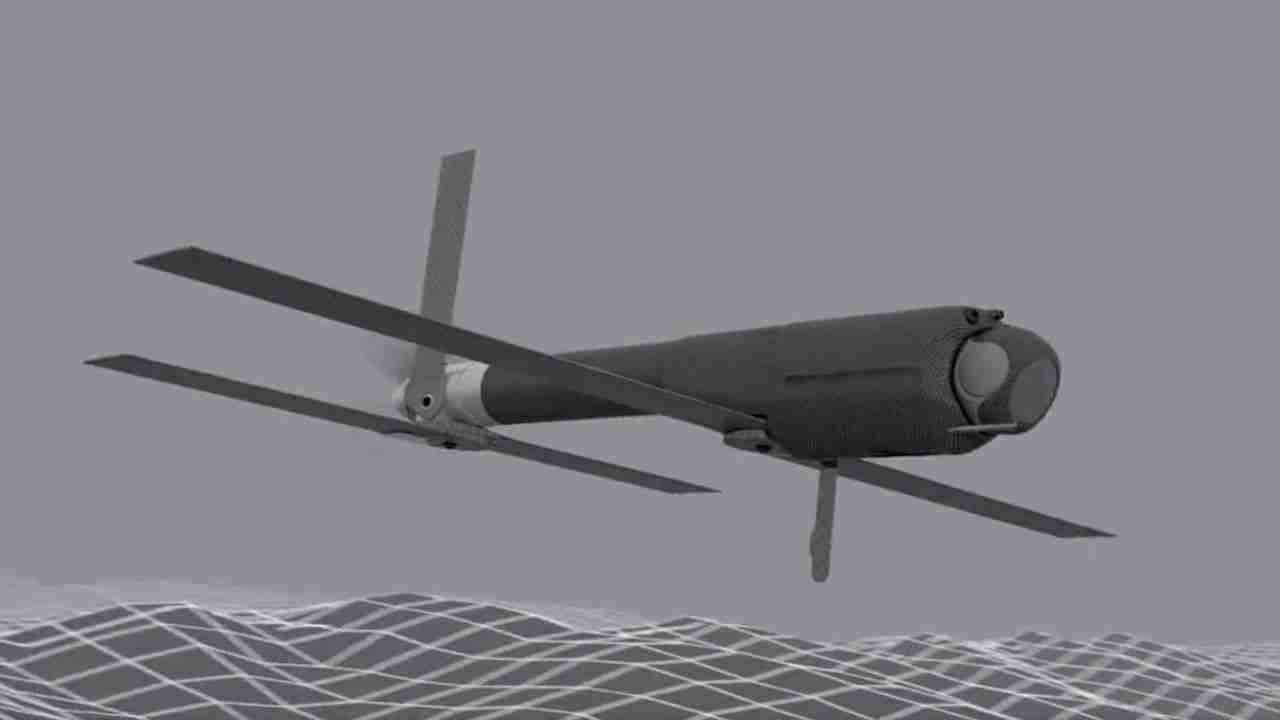
The United States Armed Forces tested this week the Switchblade 600, a “kamikaze” type drone designed to detect, track, and strike armored targets, both stationary and moving, even when out of line of sight.
The demonstration was part of the Pegasus Charge initiative, which seeks to modernize armored unit tactics through new drone systems and advanced communications. According to Interesting Engineering and U.S. officials, the system demonstrated accuracy on targets located between 5 and 15 kilometers.
The Switchblade 600 is launched from a tube about 1.5 meters long, weighs approximately 34 kilograms, and is battery-powered; it can stay in flight for up to 45 minutes and carry a Javelin-type multipurpose warhead. Fully remotely controlled via onboard cameras, the system follows pre-programmed flight paths and can be redirected in flight when battlefield conditions change. This flexibility allows for target switching or mission aborts to reduce unforeseen risks.
U.S. officials state that the new capability extends operational range and lethality while helping minimize collateral damage and protect soldiers on the front lines.
Defense experts see the Switchblade 600 as an example of the growing role of unmanned aerial vehicles in the military arsenal, a trend accelerated by the intensive use of this technology in recent conflicts, such as the Russia-Ukraine war.
Source: Olhar Digital | Photo: X @aerovironment | This content was created with the help of AI and reviewed by the editorial team
The Switchblade 600 loitering missile system builds on the battle-proven track record of Switchblade 300 with its patented wave-off and recommit feature, increased range, extended flight time and multi-purpose, anti-armor munition for use against larger, hardened targets. pic.twitter.com/kqx4WlZGVj
— AV (@aerovironment) March 2, 2023
